
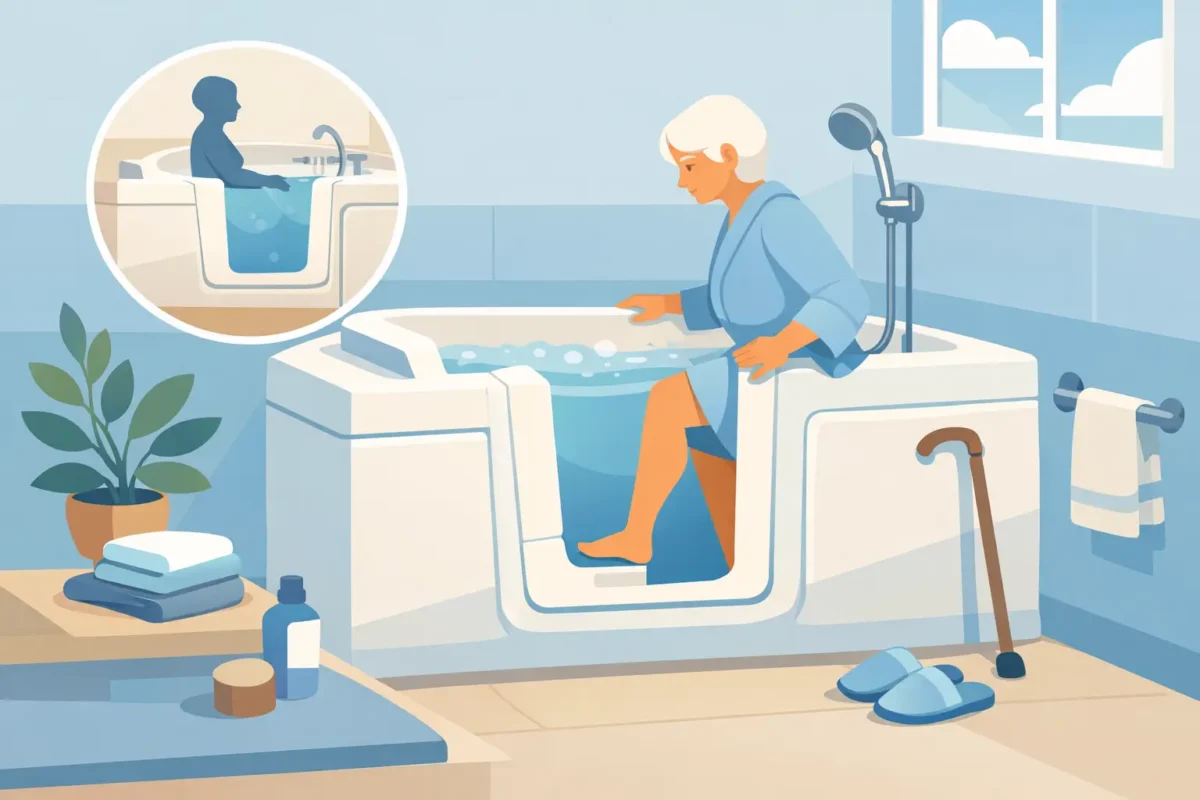
A standard bathtub can become a daily obstacle long before a homeowner considers themselves unable to live independently. Stepping over a high tub wall, lowering down onto a slippery surface, and standing back up after bathing can put strain on sore joints and challenge even a good sense of balance. This walk in tub buying guide can help you look beyond the showroom features and choose a bathing solution that truly fits your home, routines, and safety needs.
A walk-in tub is not one-size-fits-all. The right choice depends on who will use it, how the bathroom is arranged, whether a caregiver may need access, and which features will make bathing more comfortable rather than more complicated. A thoughtful decision now can support safer, more independent living at home for years to come.
Start With the Bathing Challenge You Need to Solve
Before comparing tubs, consider what makes the current bathing routine difficult. For some homeowners, the biggest issue is climbing over the side of a conventional tub. For others, it is getting down to the bottom of the tub, standing up again, or maintaining balance while showering.
A walk-in tub addresses these concerns with a low-entry door, a built-in seat, grab bars, and controls that can be reached while seated. That combination can reduce the need to step over a tall wall or lower yourself onto the floor of a traditional tub.
It is also helpful to think ahead. A tub that works well for a homeowner today may need to accommodate reduced mobility later. If a family member uses a walker, needs caregiver assistance, or may eventually need a wheelchair-friendly bathing space, an accessible shower could be a better fit than a walk-in tub. The goal is not simply to replace a fixture. It is to create a bathroom that supports everyday life with confidence.
Choose the Right Walk-In Tub Size and Layout
Bathroom measurements play a major role in selecting a walk-in tub. Many models are designed to fit into the footprint of a standard 60-inch bathtub, which can make them a practical choice for existing bathrooms. Still, the width, depth, door swing, wall placement, and location of nearby fixtures all matter.
A deeper tub may provide a more relaxing soak, but it also holds more water and may require additional time to fill and drain. A wider model can offer more room for comfort or assistance, yet it may not fit easily through the bathroom door or around tight corners during installation. Measuring only the open floor area is not enough. A professional should also evaluate the route into the home, doorway clearance, plumbing access, and the condition of the bathroom floor.
Seat height deserves close attention as well. A seat that is too low can still be difficult for someone with knee or hip limitations, while one that is too high may not feel comfortable for a shorter user. Sitting in a model, if possible, is one of the best ways to judge fit.
Inward-Swing and Outward-Swing Doors
Most walk-in tubs have inward-swing doors. These doors are common because the water pressure helps keep the seal secure while the tub is filled. They work well for many homeowners, but the user must have enough room to step into the tub and close the door from inside.
Outward-swing door models can be helpful for users with more limited mobility because they provide a wider entry. However, they require clear floor space in front of the tub for the door to open. In a compact bathroom, that can be a limiting factor. Door style should be selected after reviewing the room layout and the user’s range of motion, not simply by appearance.
Focus on Safety Features That Will Actually Be Used
A walk-in tub should make bathing simpler, not leave the homeowner dealing with a confusing set of controls. The most valuable safety features are usually straightforward: a low step-in threshold, a textured non-slip floor, properly placed grab bars, a stable built-in seat, and easy-to-reach faucet controls.
A handheld shower wand is another practical feature. It allows a person to bathe while seated and makes it easier to rinse hard-to-reach areas. For households where different family members will use the bathroom, an adjustable shower wand provides helpful flexibility.
Thermostatic temperature controls can help prevent sudden changes in water temperature, which is especially valuable for older adults and people with reduced sensitivity to heat. Look for controls that are simple to see, grip, and operate with wet hands.
Hydrotherapy jets, air jets, and heated seating are popular options. These features may provide soothing comfort for people dealing with stiffness, arthritis, or muscle soreness, but they should be viewed as comfort upgrades rather than replacements for core safety features. Jets also add cleaning and maintenance considerations. Ask how the system is purged after use and what routine care is needed to keep it operating properly.
Understand Fill and Drain Time Before You Buy
Unlike a standard bathtub, a walk-in tub must be filled after the user enters and drained before the door can be opened. That means the homeowner remains seated in the tub during both parts of the process. Fast-fill faucets and quick-drain systems can make that waiting period more comfortable.
The actual timing depends on the home’s water pressure, drain configuration, tub capacity, and plumbing condition. A larger tub naturally takes more water and may take longer to empty. If a homeowner tends to feel chilled easily, a heated seat or heated backrest can be worth considering while waiting for the tub to drain.
It is also wise to ask whether the existing water heater can supply enough hot water for the selected tub. Some homes may need a water-heater upgrade, especially if the family wants a deep soak without running out of hot water. This is not a reason to rule out a walk-in tub, but it should be part of the project plan and budget from the beginning.
Plan for Professional Installation, Not Just the Tub
The tub itself is only part of the investment. Reliable installation is what helps ensure the door seals correctly, the plumbing performs as expected, the floor can support the unit, and the finished bathroom is safe and durable.
Depending on the bathroom, installation may involve removing the existing tub, adjusting plumbing, replacing damaged subflooring, updating wall surrounds, improving lighting, or adding electrical service for optional features. Older homes on Maryland’s Eastern Shore can reveal water damage or outdated plumbing once a conventional tub is removed. Addressing those issues during the renovation is usually better than covering them up and facing a larger repair later.
A qualified contractor should inspect the space before giving a firm recommendation. Ask who will perform the installation, what is included in the scope of work, how long the project is expected to take, and what protections will be used for the rest of the home during construction. Clear answers help prevent unwelcome surprises.
Compare Cost by Long-Term Value
Walk-in tub pricing varies based on size, materials, door style, hydrotherapy options, plumbing changes, and the amount of bathroom remodeling required. A lower-priced unit may look appealing at first, but it can become a costly choice if it does not fit the user well or requires shortcuts during installation.
Instead of focusing only on the initial price, consider the value of safer bathing, reduced fall risk, and the ability to remain comfortable at home. For many families, an accessible bathroom is part of a larger plan to avoid the disruption of moving or relying on daily assistance.
Financing can also make a needed upgrade more manageable. Camden Enterprises offers financing options, including 100% financing and 0% interest for 18 months for qualified buyers, so homeowners can discuss a practical payment approach alongside the design and installation plan.
Questions to Ask During a Walk-In Tub Consultation
A good consultation should leave you with more clarity, not more pressure. Ask whether the recommended tub fits the existing bathroom footprint, whether the water heater and drain can support it, and what safety features are included as standard.
Also ask about warranties for the tub, door seal, fixtures, and installation work. Find out who to call if service is needed after the project is complete. If hydrotherapy is a priority, ask about cleaning requirements and whether the system is designed to clear water from its internal lines.
Finally, be honest about how the tub will be used. If you prefer a quick standing shower most days, a tub-to-shower conversion with a low threshold may serve you better. If soaking while seated would bring comfort and confidence, a walk-in tub may be an excellent choice. The best bathroom is the one that makes your normal routine feel safer and easier.
A safer bathing space can be a meaningful investment in independence, comfort, and peace of mind. Start with the way you live now, plan for the support you may need later, and choose a solution that lets home remain the place where you feel most at ease.