
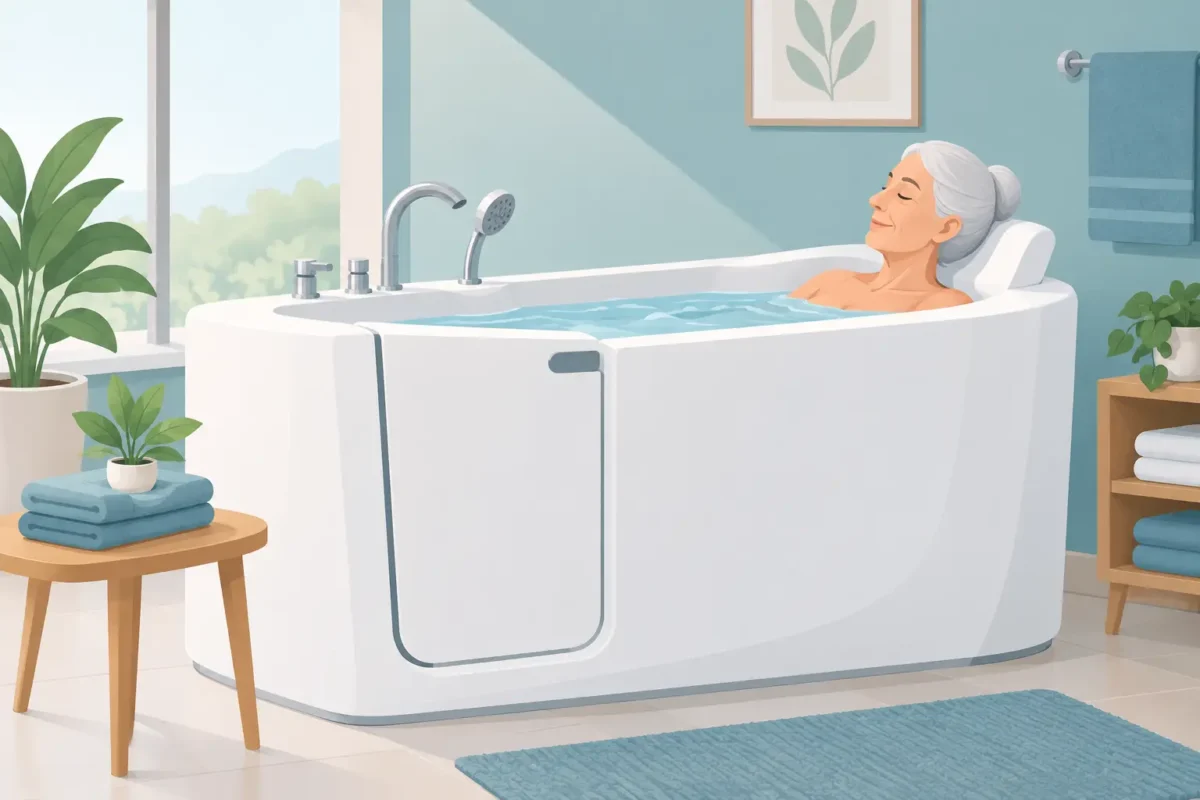
A bathroom fall can change a family’s plans in an instant. For many older adults and people with limited mobility, stepping over a high tub wall, lowering into a conventional bathtub, and standing on a wet surface can turn an ordinary routine into a source of worry. So, are therapeutic bathtubs safe? They can be a very safe bathing option when the tub fits the user’s needs, is installed correctly, and is used with sensible precautions.
A therapeutic bathtub is not one single product. The term often describes walk-in tubs and other accessible bathing systems with features such as low-entry doors, built-in seating, grab bars, textured floors, and therapeutic water or air jets. Those features can reduce common risks, but they do not replace good judgment, proper maintenance, or a bathroom designed around the person using it.
Are Therapeutic Bathtubs Safe? It Depends on the Fit
The safety of a therapeutic bathtub starts with the person, not the sales brochure. A homeowner who struggles to step over a standard tub wall may benefit greatly from a low threshold and stable seat. Someone with poor balance may appreciate secure handholds and a watertight door that allows them to enter before the tub fills.
For others, the trade-offs deserve careful thought. A walk-in tub generally requires the bather to sit inside while it fills and drains. That means the bathroom should be comfortably warm, and the person must be able to wait safely in the seated position. Fast-drain systems can shorten that wait, but they should be evaluated as part of the overall tub selection.
Therapeutic bathtubs may be especially helpful for homeowners who want to remain in a familiar home while making bathing less physically demanding. They can also give adult children more confidence that a parent has a more secure daily routine. Still, a tub should be selected after an honest conversation about mobility, strength, circulation concerns, and whether assistance may be needed during bathing.
The Features That Make Accessible Tubs Safer
A well-designed therapeutic tub addresses the moments when falls are most likely to happen: entering, transferring from standing to sitting, standing back up, and walking on a wet floor afterward. The best features work together rather than serving as isolated upgrades.
A low step-in threshold reduces the need to lift a leg over a high tub wall. That simple change can make a meaningful difference for someone with stiff hips, knee pain, weakness, or reduced balance. An inward-swinging door is common in walk-in tubs because water pressure helps hold it closed while the tub is filled. The door seal must be maintained and properly tested to prevent leaks.
Built-in seating gives the bather a stable place to sit throughout the bath. A seat should be at a practical height and allow enough room to turn and position comfortably. Textured, slip-resistant flooring provides more secure footing during entry and exit, while securely mounted grab bars offer support when changing positions.
Other useful safety features may include:
- Anti-scald valves or thermostatic controls that help prevent dangerously hot water
- Handheld shower wands for rinsing while seated
- Easy-to-reach controls with clear markings
- Fast-drain technology that reduces waiting time after bathing
- Emergency drain access or a call device kept within reach
Jets are often the feature people notice first, but they are not the main safety feature. Hydrotherapy and air jets may offer a soothing experience for some users, yet seating, entry design, grab bars, water temperature control, and proper installation do more to reduce everyday fall risk.
Water Temperature Is a Real Safety Issue
Hot water can be relaxing, but it can also cause burns, dizziness, or a sudden drop in blood pressure. Older adults may have more sensitive skin or reduced ability to recognize when water is too hot. Certain medications and health conditions can also affect how the body responds to heat.
Set the home’s water heater to a safer temperature and use a tub with reliable anti-scald protection. Before getting in, test the water with a hand or bath thermometer. A warm bath should feel comfortable, never intense. If a person feels lightheaded, weak, short of breath, nauseated, or unusually sleepy, they should leave the bath safely and seek appropriate medical guidance.
People with heart conditions, diabetes, circulation issues, low blood pressure, neuropathy, or open wounds should ask their health care provider whether heated soaking and whirlpool features are appropriate. A therapeutic bathtub can support comfort, but it is not a substitute for medical care, and it should not be presented as a treatment for a medical condition.
Installation Matters as Much as the Tub
An accessible bathtub can only perform safely when it is installed correctly. These units are heavier than many homeowners expect, especially once filled with water and occupied. The bathroom floor may need evaluation to confirm it can support the load. Plumbing, electrical connections for pumps or heaters, drainage, wall finishes, and access to service components all need professional attention.
Poor installation can create problems that undermine the purpose of the project. A tub that is not level may not drain properly. An improperly supported unit can lead to movement or damage over time. A door that does not seal correctly can leak, and inadequate electrical work can create serious hazards around water.
A qualified bathroom remodeling contractor should assess the existing space before recommending a model. In some homes, a tub-to-shower conversion with a low-threshold shower may be the safer choice, particularly for a person who uses a wheelchair, needs caregiver assistance, or cannot safely transfer into a seated tub. The right answer is not always the same product.
At Camden Enterprises, accessible bathroom planning begins with the day-to-day challenge a homeowner is trying to solve. A thoughtful consultation can help determine whether a walk-in tub, accessible shower, custom grab-bar placement, or a broader bathroom renovation will best support safe, independent living.
Safe Use Begins With a Consistent Routine
Even a carefully selected tub needs safe habits. Keep the bathroom floor dry, clear away loose bath mats and clutter, and make sure lighting is bright enough for nighttime use. Keep a phone, alert device, or another way to call for help nearby, but never place electronics where they could fall into water.
Enter the tub before filling it, sit fully on the seat, and close the door according to the manufacturer’s instructions. When the bath is over, allow the tub to drain completely before opening the door. Move slowly when standing, since warm water can make some people feel unsteady. If help is needed with transfers, it is better to plan for assistance than to attempt a risky move alone.
Regular cleaning is also part of safety. Follow the manufacturer’s instructions for flushing and sanitizing jet lines, cleaning the door seal, and checking drains. Soap residue and mildew can make surfaces slippery, while neglected jets or seals can affect hygiene and performance. Report unusual leaks, weak drainage, or changes in the door’s operation before they become larger concerns.
Questions to Ask Before Choosing a Therapeutic Tub
Before committing to a project, homeowners should look beyond appearance and ask practical questions. Can the user transfer safely onto the seat? How long does the tub take to fill and drain? Is the door wide enough and easy to operate? Where will grab bars be located? Can the existing bathroom accommodate the tub without making the rest of the room too tight?
It also helps to consider the future. A bathroom remodel is an opportunity to create more room around the fixture, improve lighting, replace slippery flooring, and adjust the vanity or toilet area. Planning for changing needs now can prevent another disruptive renovation later.
The safest therapeutic bathtub is the one that suits the person using it, fits the home properly, and is backed by careful installation and daily use. A comfortable, accessible bathroom can make it easier to preserve privacy and independence while giving the whole household greater peace of mind.