
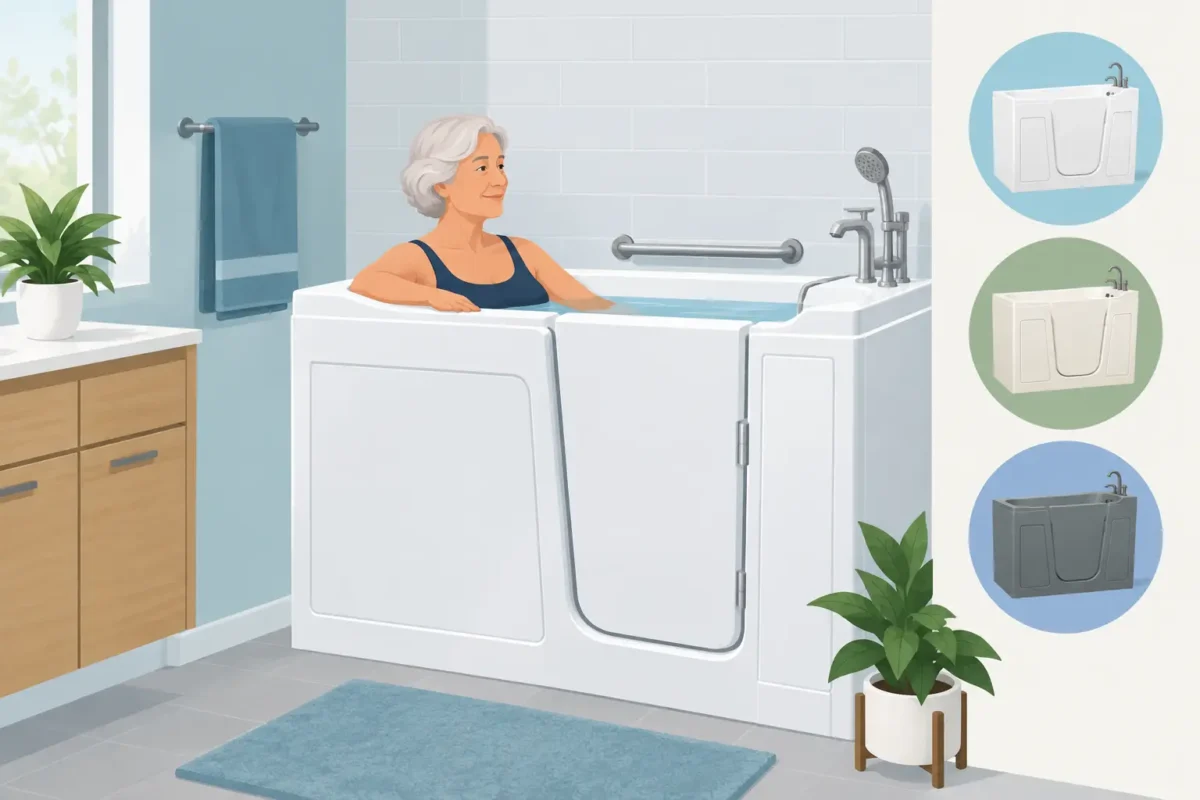
A conventional tub can become a daily concern long before a homeowner is ready to leave the home they love. When stepping over a high tub wall feels unsteady, walk in tub brand reviews are a useful starting point – but the best choice is not always the brand with the most advertisements or the longest feature list. The right tub must fit the person using it, the bathroom it is going into, and the home’s plumbing and electrical setup.
For homeowners on Maryland’s Eastern Shore and nearby Virginia communities, a walk-in tub is often part of a larger plan to make bathing safer, more comfortable, and more manageable at home. Looking beyond marketing claims helps families make a sound decision that supports independence for years to come.
What Walk In Tub Brand Reviews Should Tell You
A helpful review does more than rate a tub as “good” or “bad.” It explains who the product may work for and where its limitations may show up. A tub that receives excellent feedback from a taller, active homeowner may not be the right fit for someone with arthritis, limited knee movement, or a caregiver who needs room to assist with bathing.
Start by separating comments about the product from comments about the installation experience. Many complaints tied to walk-in tubs are not caused by the tub itself. They may involve poor measurements, inadequate bathroom preparation, rushed plumbing work, or a lack of clear instruction after installation. A quality product still needs knowledgeable installation to operate properly and look right in the finished bathroom.
Also pay attention to how long a reviewer has owned the tub. A review written immediately after installation can reveal whether the buying process went smoothly, but it cannot say much about durability. Longer-term feedback is more useful for understanding door seals, drain performance, controls, finish quality, and service support.
Compare the Features That Affect Everyday Use
Brand names matter, but practical design details matter more. When reviewing models, focus on the features that will affect a person’s everyday bathing routine.
Door Style and Entry Direction
Most walk-in tubs use either an inward-swinging or outward-swinging door. Inward-swing doors are common and can be a good option in bathrooms with limited clearance outside the tub. Because the door swings into the tub, however, the bather needs enough room to step in and turn comfortably before closing it.
Outward-swing doors can provide a wider, less restrictive entry. They may be helpful for wheelchair transfers or for users who have more difficulty maneuvering in a confined space. On the other hand, the bathroom must have enough open floor space for the door to swing outward. The better choice depends on the layout and the user’s mobility, not on which style sounds more advanced.
Seat Size, Height, and Interior Space
A built-in seat should allow the bather to sit down and stand up with as little strain as possible. Look at seat height, width, back support, and available legroom. A compact model can fit a small bathroom, but it may feel too tight for a larger individual or someone who needs caregiver assistance.
A deep soaking tub may sound appealing, yet depth alone does not create a better bathing experience. If a person has trouble lowering onto a seat or rising afterward, the seat design and grab-bar placement are more important than extra water depth. During planning, consider the user’s height, weight, flexibility, and whether those needs may change over time.
Drain Speed and Water Use
A walk-in tub door cannot be opened until the water has drained. This is why drain performance deserves close attention in walk in tub brand reviews. Fast-drain systems can reduce the time a person waits inside the tub after bathing, but actual performance can depend on the home’s plumbing conditions as well as the tub’s drain design.
Ask whether a model requires plumbing upgrades and whether the existing water heater can supply enough hot water to fill the tub comfortably. Larger tubs may require a larger water heater, a tankless system, or another solution. A qualified installer should evaluate these details before giving a final recommendation.
Safety and Comfort Options
Hydrotherapy jets, air jets, heated seats, hand showers, anti-slip flooring, grab bars, and easy-to-reach controls are common features. They can improve comfort, but they should not distract from the essentials: safe entry, a supportive seat, reliable drainage, and controls the user can understand and operate.
More features can also mean more maintenance and more components that may eventually need service. For some homeowners, a straightforward soaking tub with a hand shower is the most practical choice. For others, therapeutic features may be worthwhile for sore muscles, stiffness, or a relaxing end-of-day routine. There is no one-size-fits-all answer.
Read Warranty Details Carefully
A strong warranty can be reassuring, but the wording matters. Some warranties cover the tub shell for a long period while offering shorter coverage for pumps, faucets, electronics, seals, or labor. Since the mechanical parts are often the components most likely to need service, homeowners should understand what is covered and for how long.
Ask clear questions before purchasing. Does the warranty transfer if the home is sold? Who handles a repair request? Is there a local service option? Are labor costs included after the first year? A manufacturer’s warranty and an installer’s workmanship guarantee are separate protections, and both deserve attention.
Reviews that mention warranty service can be particularly valuable. Look for patterns rather than relying on one very positive or very negative experience. A few complaints do not necessarily indicate a poor brand, but repeated concerns about unanswered service calls, delayed parts, or unclear coverage should prompt more questions.
Installation Is Part of the Product Decision
A walk-in tub is not simply delivered and placed in a bathroom. The project may involve removing the existing tub, adjusting plumbing, updating electrical service, repairing flooring, adding wall finishes, or modifying a doorway for access. In older homes, unexpected conditions behind walls or under floors can also affect the scope of work.
That is why an in-home consultation is more dependable than choosing solely from a brochure or online review. The installer should measure carefully, discuss how the tub will be used, review door clearance, and explain any needed improvements before work begins. Homeowners should receive a clear explanation of what is included in the installation and what could affect the final schedule or cost.
A professional installation also supports the tub’s long-term performance. Proper leveling, secure connections, accessible shutoff valves, and watertight finishes help protect both the equipment and the home. Saving money on installation can become expensive if water damage or operational problems develop later.
When a Walk-In Tub May Not Be the Best Fit
Walk-in tubs offer meaningful benefits, but they are not the only accessibility solution. A low-threshold or barrier-free shower may be a better choice for someone who cannot comfortably transfer onto a tub seat, uses a wheelchair, or prefers not to wait for a tub to fill and drain. A custom accessible shower can also provide more room for a caregiver and may be easier for multiple family members to use.
For other households, a tub-to-shower conversion paired with sturdy grab bars, a fold-down seat, and a handheld showerhead creates a safer routine without the cost or water requirements of a full walk-in tub. The best remodeling decision begins with an honest conversation about current needs, future mobility, bathroom space, and budget.
Choose a Partner, Not Just a Brand
The most useful walk in tub brand reviews point toward a bigger decision: whether the company helping with the project listens carefully, explains options plainly, and stands behind its work. A reputable contractor should help homeowners compare models without pressure and recommend a solution based on how the bathroom will actually be used.
Camden Enterprises helps homeowners evaluate accessible bathing options with the practical goal in mind – a safer, more comfortable bathroom that supports life at home. If a walk-in tub is the right answer, thoughtful planning and certified installation can make it a lasting improvement rather than a complicated purchase.
Before selecting a model, picture the first ordinary morning after the project is complete. If the new bathroom makes bathing feel steadier, easier, and more private for the person who needs it, the decision is moving in the right direction.