
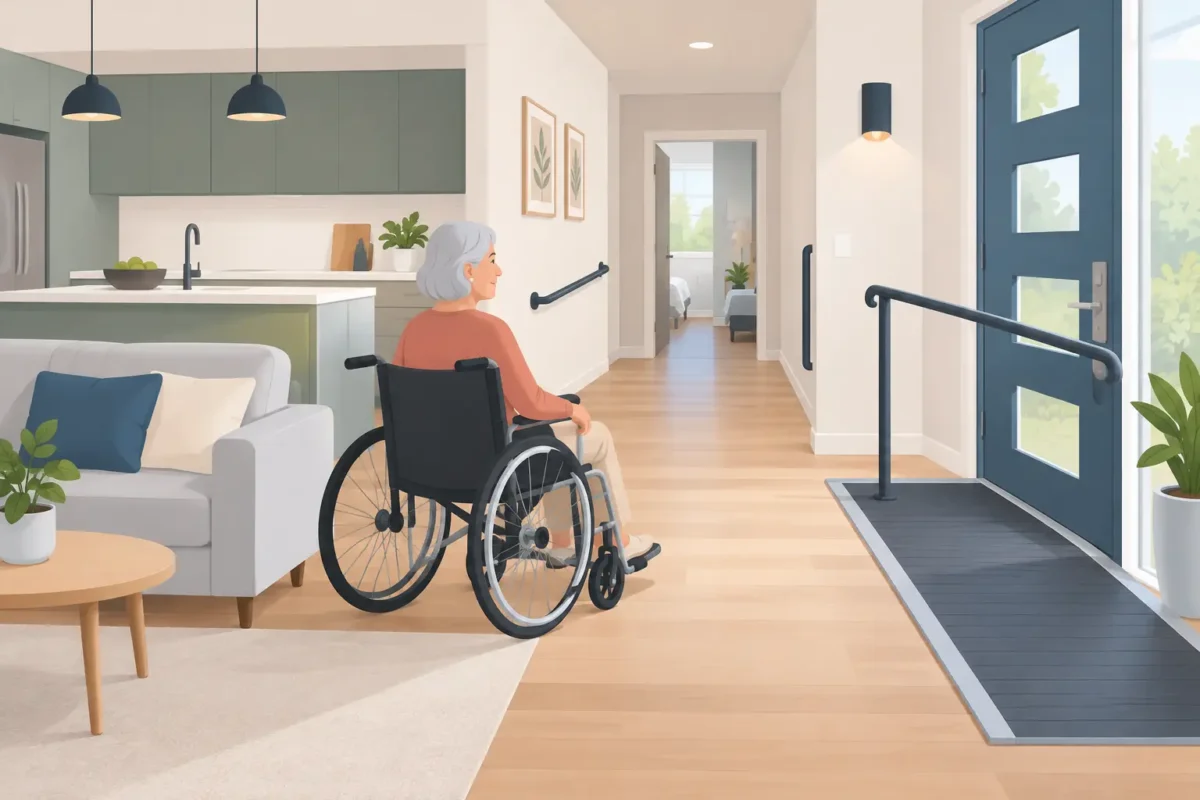
A bathroom can become a daily source of worry long before a homeowner thinks of it as inaccessible. A high tub wall, a slippery floor, or a door that is difficult to manage may turn a familiar routine into one that requires assistance. The right essential accessible home features help people move through their homes with greater confidence while protecting the independence that makes home feel like home.
For many Eastern Shore families, accessibility is not about making a house look clinical. It is about making practical changes that fit the way the household lives now and can continue to serve them as mobility, balance, or strength changes. Some improvements are small. Others are part of a carefully planned bathroom or kitchen remodel. The best choice depends on the person, the layout of the home, and where daily challenges are happening.
Essential Accessible Home Features Start With Safe Entry
A safer home begins before someone reaches the bathroom. Steps, narrow passages, uneven thresholds, and poor lighting can create unnecessary risks at the front door, garage entry, and between commonly used rooms.
A no-step or low-threshold entrance makes a meaningful difference for people who use a cane, walker, wheelchair, or simply have trouble lifting their feet. If a full ramp is not appropriate for the property, a gradual walkway, handrails, and a secure landing may still improve access. The goal is a stable path that feels easy to use in wet weather and at night.
Doorways deserve attention as well. Wider door openings can make room for mobility equipment and reduce the chance of bumping into frames or losing balance while carrying items. Lever-style door handles are often easier to operate than round knobs, especially for someone with arthritis or limited hand strength. In some homes, adjusting a door swing or replacing a tight, outdated door can improve usability without a major renovation.
Good lighting supports every other accessibility feature. Bright, evenly placed lighting at exterior doors, hallways, stairs, and room transitions helps homeowners see changes in floor level, loose items, and wet areas. Consider light switches at convenient heights and motion-sensor lighting where hands may be full or reaching for a switch is difficult.
Make the Bathroom the Safest Room in the House
The bathroom is where accessibility planning can have the greatest immediate impact. Water, hard surfaces, limited space, and awkward transfers create risks even for people who have always been steady on their feet. A well-designed accessible bathroom allows a person to bathe, use the toilet, and move around with less strain and less need for help.
Replace a High Tub Wall With Easier Bathing Access
Stepping over the side of a conventional bathtub is one of the most common concerns homeowners raise. A tub-to-shower conversion can remove that high step and create a bathing space that is easier to enter. A low-threshold or barrier-free shower is especially helpful for someone using a walker or shower chair.
A walk-in tub can be a better fit for homeowners who prefer soaking rather than standing in a shower. Its watertight door allows the bather to enter over a much lower threshold than a standard tub. Inward-swing door tubs can be useful where bathroom space is limited, while other configurations may better suit a person who needs more room to transfer. The right choice depends on the user’s mobility and the available layout.
Accessible bathing should not come at the expense of comfort. A properly planned shower can include a handheld showerhead, easy-to-reach controls, built-in or securely installed seating, and storage positioned within reach. These features make bathing less tiring while helping homeowners maintain privacy and routine.
Use Grab Bars That Are Installed for Real Support
Grab bars are among the most effective safety additions in a bathroom, but placement and installation matter. A towel bar is not designed to hold a person’s weight. Securely anchored grab bars near the toilet, shower entrance, and bathing area provide reliable support when sitting, standing, or recovering from a slip.
They do not have to make a bathroom feel institutional. Many current grab bars come in finishes that coordinate with faucets, cabinetry, and other fixtures. The priority is choosing a style that is comfortable to grip and locating it where the homeowner will naturally need support.
Choose Flooring, Toilets, and Vanities With Daily Use in Mind
Slip-resistant flooring is a practical investment in any bathroom remodel. Textured tile, properly selected vinyl, and other low-slip surfaces can improve footing without being difficult to clean. Small bath rugs may feel comfortable, but unsecured rugs can curl or slide. If a rug is needed, it should have a dependable non-slip backing.
A comfort-height toilet can reduce the distance a person needs to bend when sitting or standing. For some households, a raised seat or nearby grab bar offers additional support. An open space beneath a vanity can allow a seated person to get closer to the sink, while a faucet with lever controls is easier to use than a tight-turning knob.
Improve the Kitchen Without Giving Up Function or Style
The kitchen should support everyday cooking, conversation, and family life. Accessible kitchen updates work best when they reduce reaching, bending, and carrying across the room.
Cabinet hardware with pulls instead of small knobs is often easier to grasp. Drawers can make frequently used cookware and pantry items more accessible than deep lower cabinets. Pull-down shelves, roll-out trays, and well-organized storage reduce the need to kneel or reach into dark corners.
Counter height is not one-size-fits-all. A household where one person uses a wheelchair may benefit from a lowered work area or an open section beneath the counter. Other homeowners may prefer standard-height counters with improved lighting and better appliance placement. There is no single accessible kitchen plan that works for every family.
Appliances should be selected and positioned around safe movement. A wall oven can reduce the need to lift hot dishes from a low oven, while a side-opening oven door may offer better access in some layouts. Controls located on the front of a range can prevent a person from reaching across hot burners. Even a simple adjustment, such as placing the microwave at a reachable height, can make a daily difference.
Plan for Changes Before a Crisis Forces the Decision
Accessibility remodeling is often prompted by a fall, surgery, diagnosis, or a loved one moving in. Those are valid reasons to make changes, but planning earlier gives homeowners more time to compare options and make decisions based on comfort rather than urgency.
This does not mean every room needs to be remodeled at once. Start with the areas that create the most difficulty. For many people, that is the bathroom. For others, it may be the front entrance, the stairs, or a kitchen layout that has become hard to manage. A thoughtful consultation can identify improvements that fit the home and the budget, including work that can be completed in phases.
It is also wise to think about the people who may use the space in the future. A shower that is easy for one homeowner to enter can also be more convenient for a visiting parent, a spouse recovering from surgery, or a family member helping with care. Accessible design often improves comfort for everyone, not only the person with the greatest mobility need.
Choose Features That Fit the Home and the Homeowner
The most effective accessible remodeling is personal. A spacious custom shower may be the right answer for one family, while another may benefit more from a walk-in tub, new flooring, and carefully placed grab bars. Product choices matter, but proper measurements, thoughtful design, and quality installation matter just as much.
Camden Enterprises helps homeowners across Maryland’s Eastern Shore evaluate accessible bathroom improvements with the care that a major home decision deserves. Certified installation, custom planning, and financing options for qualified buyers can make it more manageable to move from concern to a safer daily routine.
A home should not make a person feel cautious every time they bathe, prepare a meal, or walk down the hall. The right improvements can make familiar spaces feel dependable again, helping homeowners stay comfortable and independent where they most want to be.