
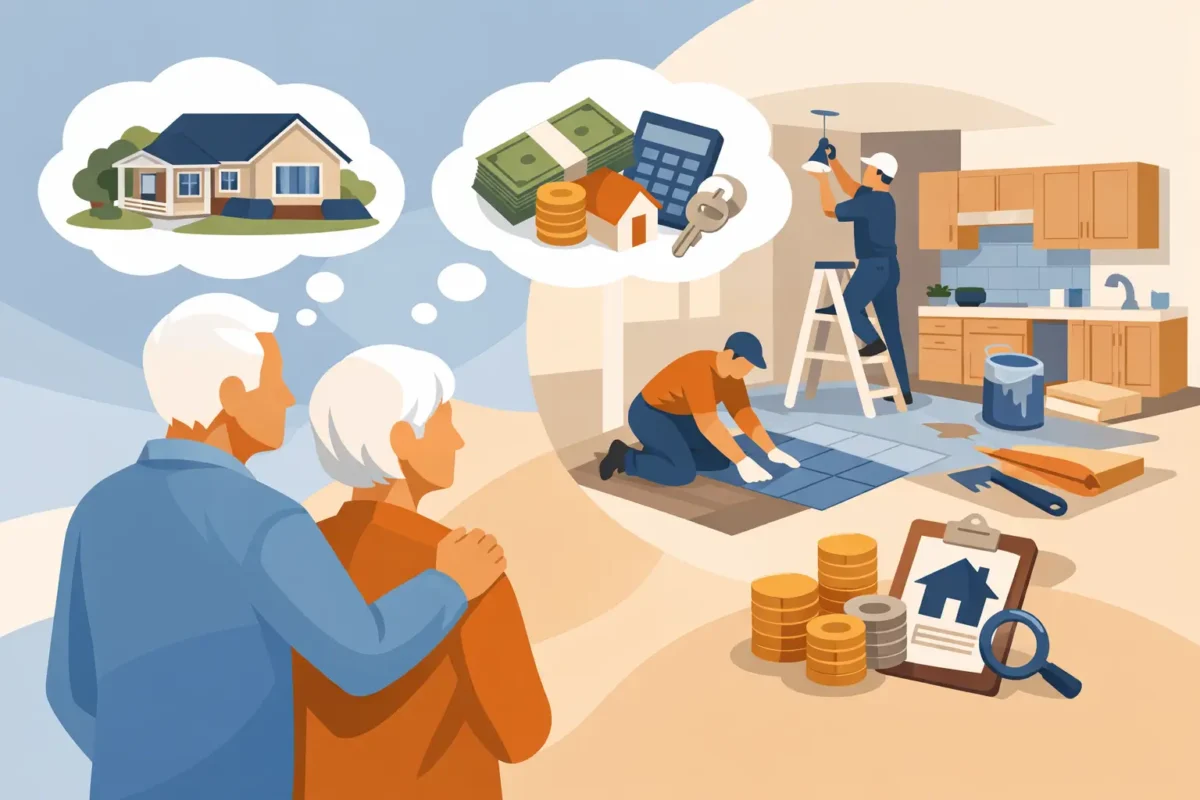
A high tub wall can turn an ordinary shower into the riskiest part of the day. For many homeowners, that concern arrives before a bathroom renovation was ever part of the plan. So, can seniors finance remodels when a safer shower, walk-in tub, wider doorway, or more functional kitchen is needed? In many cases, yes. The right option depends on the project cost, household income, home equity, credit profile, and how quickly the work needs to happen.
Financing should make a well-planned improvement more manageable, not create a payment that strains a fixed monthly budget. A thoughtful conversation about costs and options can help homeowners and their families choose a solution that supports comfort, safety, and independence at home.
Can Seniors Finance Remodels for Aging in Place?
Age alone does not prevent someone from qualifying for remodeling financing. Lenders generally look at factors such as income, debts, credit history, available home equity, and the ability to repay a loan. Retirement income, Social Security benefits, pension payments, investment income, and part-time employment may all be considered, depending on the lender and loan program.
That said, financing is never one-size-fits-all. A homeowner with substantial equity but limited monthly income may need a different approach than a couple still working, or an adult child helping a parent pay for improvements. The goal is not simply to get approved. It is to select terms that fit the household’s real budget and timeline.
Accessibility remodeling can also be easier to justify than a purely cosmetic project because it addresses a daily need. Replacing a difficult-to-enter tub with a low-threshold shower, adding grab bars, improving lighting, or installing a walk-in tub can reduce the hazards that make bathing stressful. These upgrades may help a homeowner remain in a familiar home rather than make a rushed decision after a fall or injury.
Common Ways Seniors Finance Home Remodels
The best financing choice often begins with a clear project scope. A simple tub-to-shower conversion may call for a different funding plan than a full bathroom remodel with flooring, vanity changes, plumbing updates, and accessibility features.
Contractor financing
Many established remodeling contractors offer financing through lending partners. This can be a practical choice because the homeowner can review the renovation plan and payment options together, rather than arranging a separate loan before knowing the final project cost.
For qualified buyers, Camden Enterprises offers financing options that may include 100% financing and 0% interest for 18 months. Promotional financing can be helpful when a household has a reliable plan to pay the balance before the promotional period ends. Before accepting any offer, ask what the payment will be, when the promotion expires, whether interest may be charged retroactively, and what rate applies after the promotional term.
Home equity loans and HELOCs
A home equity loan allows a homeowner to borrow a fixed amount against available equity, usually with a fixed interest rate and set monthly payment. This can work well for a defined remodeling project with a known price.
A home equity line of credit, often called a HELOC, provides a credit line that homeowners can draw from as needed. It may offer flexibility for larger projects completed in stages, but many HELOCs have variable interest rates. A payment that seems comfortable at the start could rise if rates change. Homeowners should also remember that their home serves as collateral, so this option deserves careful consideration.
Personal loans
An unsecured personal loan does not use the home as collateral. Approval and interest rates typically depend heavily on credit and income. For a smaller bathroom update or a project that needs to move quickly, a personal loan may be simpler than a home equity product.
The trade-off is that interest rates can be higher, especially for borrowers with less-than-excellent credit. Compare the total amount repaid, not just the monthly payment. Extending a loan over many years can lower the payment while increasing overall borrowing costs.
Savings, family support, and phased work
Paying with savings avoids loan interest, but it should not leave a household without funds for medical needs, home repairs, or emergencies. Some families combine savings with financing so they can make a meaningful down payment without exhausting reserves.
In certain situations, adult children or relatives contribute to the cost of accessibility improvements. This can be a sensible family decision, particularly when the renovation helps a parent stay safely at home. Clear conversations about who is paying, who owns the home, and whether repayment is expected can prevent confusion later.
Phasing work is another possibility. A homeowner might first replace an unsafe tub with an accessible shower, then address flooring, storage, or a vanity during a later project. This approach can spread costs out, although it may not be ideal if several changes are needed immediately for safety.
Programs That May Help With Accessibility Costs
Some homeowners may qualify for assistance outside traditional financing, though availability varies by location, income, veteran status, disability, and the type of work being completed. Veterans with service-connected disabilities may have access to home modification benefits. Certain state or local programs, nonprofit organizations, and Medicaid waiver programs may also help eligible individuals pay for specific accessibility improvements.
These programs often have application requirements, funding limits, and waiting periods. They may cover only certain items, such as ramps, grab bars, or shower modifications. Medicare generally does not pay for most home remodeling work, even when a change improves safety. It is wise to confirm coverage directly with the program before counting on assistance in a remodeling budget.
Tax treatment can be another question worth discussing with a qualified tax professional. Under certain circumstances, medically necessary home improvements may have tax implications, but eligibility depends on individual circumstances and documentation.
How to Decide What Payment Fits Your Household
A remodel should solve a real problem without creating a new financial burden. Start by identifying what must be done now. Is stepping over the tub wall becoming unsafe? Is a wheelchair or walker difficult to maneuver in the bathroom? Is poor lighting making nighttime trips harder? A focused project can protect the budget while addressing the concern that matters most.
Then review the full cost, including materials, labor, plumbing changes, permits where required, and any design selections. An estimate should be clear enough for the homeowner to understand what is included. A lower initial quote is not always the better value if it leaves out needed preparation work, waterproofing, safety features, or quality installation.
When reviewing financing, consider these questions:
- What will the monthly payment be, and can it be paid comfortably alongside regular expenses?
- Is the interest rate fixed or variable, and are there fees or prepayment penalties?
- Does a promotional rate require the balance to be paid by a certain date?
- Is the loan secured by the home?
- What happens if the project cost changes after hidden damage or plumbing issues are found?
If possible, avoid making a decision under pressure. Falls and mobility changes can make a renovation feel urgent, but a reputable contractor should be willing to explain the work, answer questions, and give the household time to review a proposal. When a bathroom must be made safer quickly, focus first on the changes that reduce risk, then make financing decisions with the complete payment picture in mind.
A Safer Bathroom Can Be a Practical Investment
A well-designed accessible bathroom is not about making a home feel clinical. It is about creating a space that works better for the person using it. A custom shower with a low entry, secure grab bars, a built-in seat, adjustable shower controls, and slip-resistant flooring can make daily bathing more comfortable while helping preserve privacy and confidence.
The same thinking applies beyond the bathroom. Better kitchen storage, easier-to-reach work areas, improved lighting, and thoughtful layouts can make everyday routines less demanding. For homeowners planning to stay in their homes for years, these are functional improvements with lasting value.
A conversation with a qualified remodeling professional can turn a broad concern into a realistic plan: which changes matter most, what the project will involve, and which payment approach makes sense for the household. The right renovation does not have to happen all at once, but the first step toward a safer home can start before the current bathroom becomes a daily worry.