
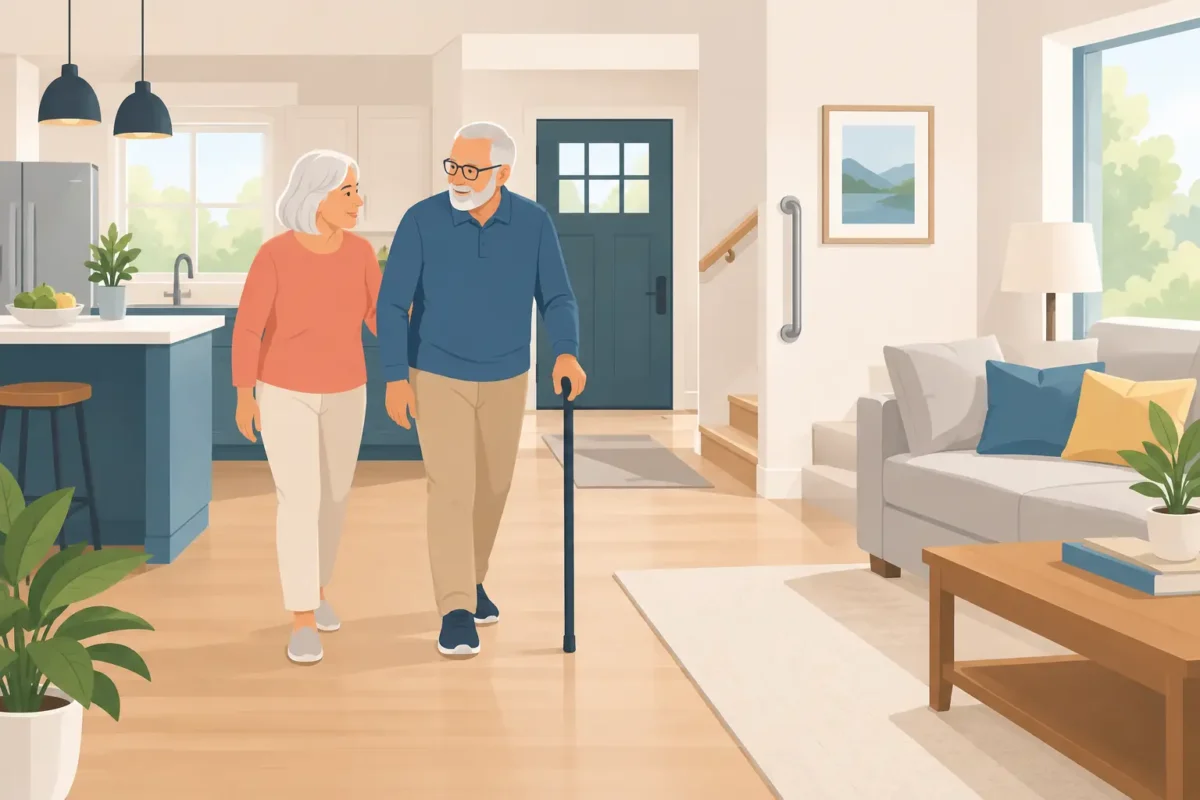
A home can feel perfectly manageable until one everyday task becomes harder than it used to be. Stepping over a tub wall, carrying laundry downstairs, reaching into a deep cabinet, or walking through a dark hallway at night can turn a familiar routine into a safety concern. The right home upgrades for retirees address those moments directly, helping homeowners stay comfortable, confident, and independent in the place they know best.
For many households on Maryland’s Eastern Shore, aging in place is not simply about avoiding a move. It is about preserving routines, staying near neighbors and family, and making the home fit the years ahead. A thoughtful remodeling plan can make that possible without making the house feel clinical or institutional.
Start With the Rooms Used Every Day
The best improvements are usually not the flashiest ones. They are the ones that reduce effort and lower risk in the rooms a homeowner uses most often. For many retirees, the bathroom, kitchen, entryways, and main-floor living spaces deserve attention before cosmetic projects elsewhere.
It also helps to plan before an urgent need arises. A homeowner may be active today but still choose features that accommodate a temporary injury, changing balance, arthritis, or the needs of a visiting parent. Planning early creates more options and allows upgrades to be selected for comfort and appearance, not just immediate necessity.
Make the Bathroom Safer Without Giving Up Comfort
Bathrooms are among the most important places to improve because wet floors, tight spaces, and high tub walls create real fall risks. A traditional bathtub can become difficult to enter safely, even for someone who has no major mobility limitation.
A tub-to-shower conversion is often a practical answer. Replacing a high-sided tub with a low-threshold or barrier-free shower reduces the need to step up and over an edge. A properly designed accessible shower can include a built-in seat, handheld showerhead, easy-to-reach controls, slip-resistant flooring, and securely installed grab bars. These details make bathing more comfortable while keeping the room attractive and easy to clean.
A walk-in tub may be the better fit for homeowners who prefer soaking baths or find a seated bathing position more comfortable. Inward-swing door tubs can provide a watertight entry with a lower step-in height than a standard tub. The right choice depends on the person using the bathroom, the available space, and whether showering or bathing is the preferred routine.
Good bathroom design also considers the smaller details. Lever-style faucet handles are easier to operate than round knobs. Better lighting around the vanity reduces shadows. A comfort-height toilet can make sitting and standing easier. Wider doorways and clear floor space can help accommodate a walker or wheelchair if needs change later.
Home Upgrades for Retirees Should Reduce Daily Strain
Accessibility is not only about mobility equipment. It is also about reducing the bending, lifting, twisting, and reaching that make ordinary tasks tiring or unsafe. A home that asks less of the body is easier to enjoy.
In the kitchen, consider storage that brings items within reach. Pull-out shelves, drawer organizers, and lower cabinets with easy-access storage can reduce the need to kneel or stretch into the back of a cabinet. D-shaped or loop handles are typically easier to grip than small knobs, particularly for homeowners with arthritis.
Countertops should have sufficient work space without becoming too deep to reach across. A microwave placed at counter height or in a lower cabinet is often safer than one installed over a range. Good task lighting over counters and the stove improves visibility when preparing meals. If a larger kitchen remodel is planned, a designer can help create clear walking paths and seating that supports comfortable everyday use.
Laundry is another area where small adjustments have a meaningful impact. Front-loading machines raised on sturdy pedestals can limit bending. Better yet, moving laundry facilities to the main floor may eliminate repeated trips on stairs. This can be a larger project, but it is worth considering when a homeowner expects to remain in the home for many years.
Improve Entrances, Hallways, and Lighting
A safer home begins before anyone reaches the bathroom or kitchen. Exterior steps, uneven walkways, narrow doors, and poor lighting can make coming and going more difficult than it needs to be.
A covered entry with a stable handrail helps during rain, icy weather, or when carrying packages. Depending on the layout, a gently sloped ramp or no-step entrance may be appropriate. Ramps need to be properly designed for slope, drainage, and handrail placement, so this is not a project to treat as an afterthought.
Inside, handrails on both sides of a staircase can add confidence. Bright, even lighting on stairs and in hallways helps homeowners see changes in floor level. Motion-sensor lighting is useful for nighttime trips to the bathroom, while illuminated switches make controls easier to find. Avoid relying on area rugs in travel paths unless they are secured with non-slip backing and lie completely flat.
Doorways can also be a future-focused upgrade. Standard openings may be difficult to navigate with a walker, and widening them during a planned renovation can prevent a more disruptive project later. Even when a full accessibility remodel is not necessary, removing threshold trip hazards and improving door hardware can make a noticeable difference.
Choose Durable Features That Are Easy to Maintain
Retirement should not create more housework. Materials and fixtures should be selected for their long-term performance, cleaning needs, and safety – not only for their appearance on installation day.
In bathrooms, slip-resistant surfaces are more practical than highly polished flooring. Grout lines and textured finishes should be chosen with cleaning in mind. A custom shower with durable wall panels or carefully selected tile can provide a polished look while reducing upkeep. In kitchens, easy-clean countertops, quality cabinet hardware, and durable flooring can help the space stand up to daily use without demanding constant attention.
There is always a balance between budget, style, and future needs. For example, a fully barrier-free shower may be ideal for long-term access, but it can require additional planning for drainage and bathroom layout. A low-threshold shower may meet current needs at a lower project scope. An experienced remodeling contractor can explain the trade-offs and help homeowners invest where the benefits matter most.
Do Not Overlook Comfort and Energy Efficiency
Safety comes first, but comfort matters too. Drafty windows, uneven temperatures, and difficult-to-operate window coverings can make a home less pleasant and more expensive to maintain. Improvements such as better insulation, updated windows, programmable thermostats, and ceiling fans may improve comfort throughout the year.
For retirees on a fixed or more predictable income, efficiency upgrades can be especially worthwhile when they help manage monthly utility costs. However, not every improvement needs to happen at once. Prioritizing a bathroom safety remodel, then addressing kitchen function, lighting, and energy concerns over time can make a larger plan more manageable.
Build a Plan Around the Way You Live
The most successful aging-in-place renovations are personal. A homeowner who enjoys cooking needs a kitchen that supports that routine. Someone who gardens may need a safer rear entry and an easier place to clean up afterward. A couple with frequent visiting grandchildren may need accessible features that work for every generation without sacrificing style.
Before beginning work, walk through a typical day and notice where effort, worry, or inconvenience appears. Think about getting out of bed, bathing, preparing meals, taking out the trash, doing laundry, welcoming guests, and moving through the home after dark. Those observations are often more useful than a general wish list.
Camden Enterprises helps homeowners throughout the Eastern Shore create bathroom and home-improvement solutions that fit real routines, mobility needs, and budgets. Certified installation expertise, personalized planning, and financing options for qualified buyers can make an important project feel more attainable.
The goal is not to change a home beyond recognition. It is to make everyday living feel easier, safer, and more comfortable – so home remains the place where life can continue on your terms.